
Behind the whiteboard #9 | Winter Sports Injuries: Staying Safe in the Snow

Weekend warrior or seasoned athlete, winter sports put massive strain on your body. Nick explores seasonal injuries this week, and how to treat them before they sideline your season. And a surprise risk we don't often think about plus the simple steps that can make a big difference when things don't go to plan.
Winter Sports Injuries: Staying Safe in the Snow
By Nick Howard
I still remember one of my first proper winter walks. We stopped for lunch, and my friend pulled out her insulin pen only to discover it had frozen solid. It wasn't something any of us had considered. We'd packed extra food, warm clothing, and plenty of snacks, but nobody had thought about medications freezing in sub-zero temperatures. It was a good reminder that winter adventures come with challenges we don't always expect.
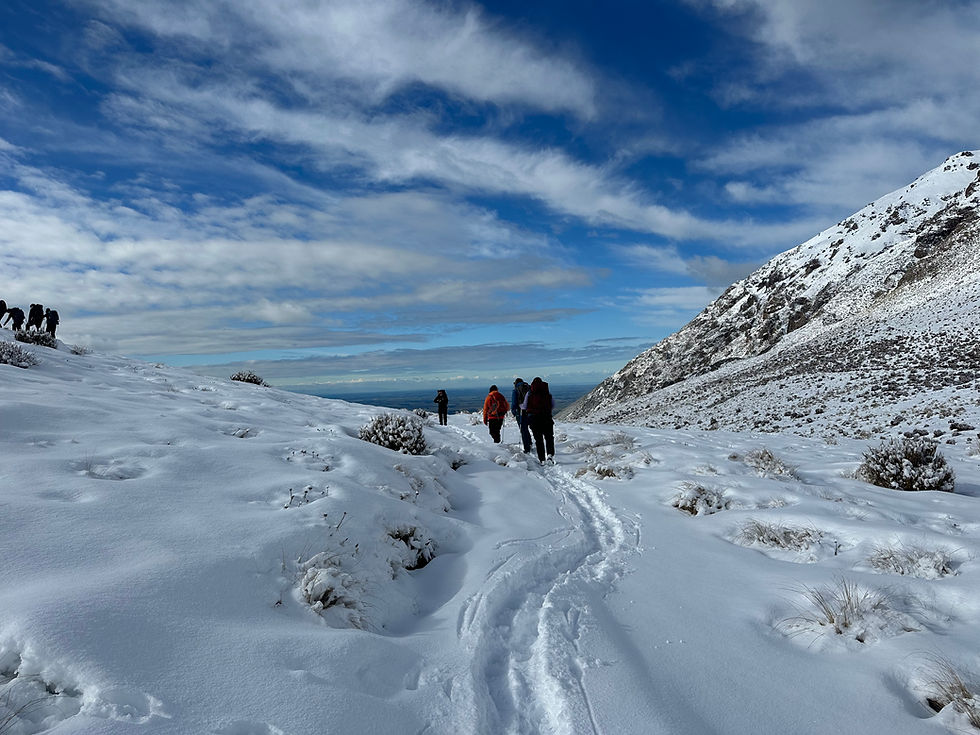
The first hint of snow has arrived at Mt Hutt, and many of us are dusting off our skis, thermals, and puffer jackets. Whether it's skiing, snowboarding, sledging, tramping, or climbing, winter is one of the best times to get outdoors in Aotearoa, New Zealand.
But cold weather also changes the risks we face. A little planning and some basic first aid knowledge can make the difference between a memorable day out and a serious incident.
The Cold Can Become the Biggest Threat
If you or someone in your group has an accident, you might not be able to move for an extended period. Do you have enough equipment or clothing to keep everyone warm until help arrives?
If you're skiing on a managed field like Mt Hutt, the excellent ski patrollers are usually never far away. But what if you're in the back country or somewhere more remote?
Unfortunately, some of our greatest learning comes from the tragedies of others. A coroner recently ruled on the cause of death following a fall on Mt Ruapehu in 2020. After falling around 500 metres in an ice field, the injured person waited nine hours for rescue. During that time, they became hypothermic. It was the hypothermia, not the original injuries, that ultimately caused the death.
It's easy to focus on the injury itself, but sometimes the cold becomes the bigger threat.
If someone is injured, think about insulating them from the ground, adding extra layers, using emergency blankets, and protecting them from the wind and rain. Even on relatively mild winter days, a person who is injured and unable to move can become cold surprisingly quickly.
For more information about recognising and managing hypothermia, check out Jodie's excellent article on hypothermia signs and symptoms.

Slips, Falls, and Broken Bones
Slips and falls are probably the injuries most of us expect in winter. Ice makes everything more slippery and, when you add skis, snowboards, and speed into the mix, broken bones become fairly commonplace.
The good news is that first aid for a suspected broken bone is usually quite simple.
The key principle is to keep it still. Moving broken bones hurts!
Help the injured person find a comfortable position and support the injured area using whatever you have available.
Spare jackets, backpacks, and rolled-up clothing can all make excellent supports.
Don't underestimate the good old triangular bandage either - it still earns its place in every first aid kit and is brilliant for making slings.
If the person has an obvious deformity, severe pain, or cannot use the limb normally, seek medical help. On a ski field, contact the ski patrol.
In more remote areas, you may need to think carefully about how you will get help and whether moving the person is the safest option.
Watch Out for Concussion
Head injuries are another common winter injury. Most people think of spectacular crashes, but concussions can happen from relatively simple falls or collisions with another skier or snowboarder.
Helmets significantly reduce the risk of serious head injuries, but they don't prevent concussions altogether.
Some signs to look out for include:
Headache
Feeling dizzy or sick
Confusion
Difficulty remembering events
Unusual tiredness
Vomiting
Loss of consciousness
If someone may have a concussion, they shouldn't continue skiing or snowboarding that day. If in doubt, sit it out. Monitor them closely and seek medical advice.

Winter Doesn't Mean You Can't Get Sunburnt
One of the biggest surprises for people is that you can get badly sunburnt in winter.
Snow acts like a giant mirror, reflecting UV light back at you. The combination of altitude and reflected sunlight means it's possible to get burnt surprisingly quickly.
Sun damage to the eyes, sometimes called snow blindness, is also surprisingly common.
Applying sunscreen before heading out and reapplying it throughout the day is essential. Sunglasses or ski goggles with good UV protection are equally important.
Think About the Things You Might Not Expect
That frozen insulin pen has always stuck with me because it wasn't something any of us had planned for.
Many medications and liquids don't cope well with freezing temperatures. If you carry insulin, inhalers, or other medications, think about where you store them. In my friend's case, the solution was simple - from then on, her insulin lived inside her coat rather than in the lid of her rucksack (backpack).
Sometimes it's the small things that catch us out.
How Will You Get Help?
I always ask myself one question before heading into the mountains:
If something goes wrong, how will I get help?
Phone coverage is getting better all the time, but there are still huge areas of New Zealand without a reliable signal.
If you're skiing, save the ski patrol emergency number in your phone before you head out.
If you're tramping or going into the back country, tell someone where you're going, what route you're taking, and when you expect to return.
Consider carrying a Personal Locator Beacon (PLB), especially if you're travelling in remote areas. A PLB might be the only way of alerting others that you need help. (You can find local outlets for hiring a PLB here)
A Little Planning Goes a Long Way
I still laugh about the frozen insulin pen now, but it taught me an important lesson. The mountains often catch us out with things we haven't thought about.
It's usually not the dramatic avalanche or epic rescue that causes problems. It's the simple things - a broken wrist that leaves someone sitting in the snow for hours, a forgotten extra layer, a phone with no signal, or medication that freezes in a backpack.
Winter adventures are some of the most rewarding experiences New Zealand has to offer. A day on the ski field, a snowy tramp, or a family sledging trip can create memories that last a lifetime.
Pack for the conditions, carry some basic first aid supplies, and spend a few minutes asking yourself, "What if?"
A little preparation goes a long way towards making your winter adventure safe, enjoyable, and memorable.
Have questions about outdoor first aid, hypothermia, or managing emergencies in remote environments? Get in touch. We're always happy to talk through training options for your team, club, or organisation.


Comments